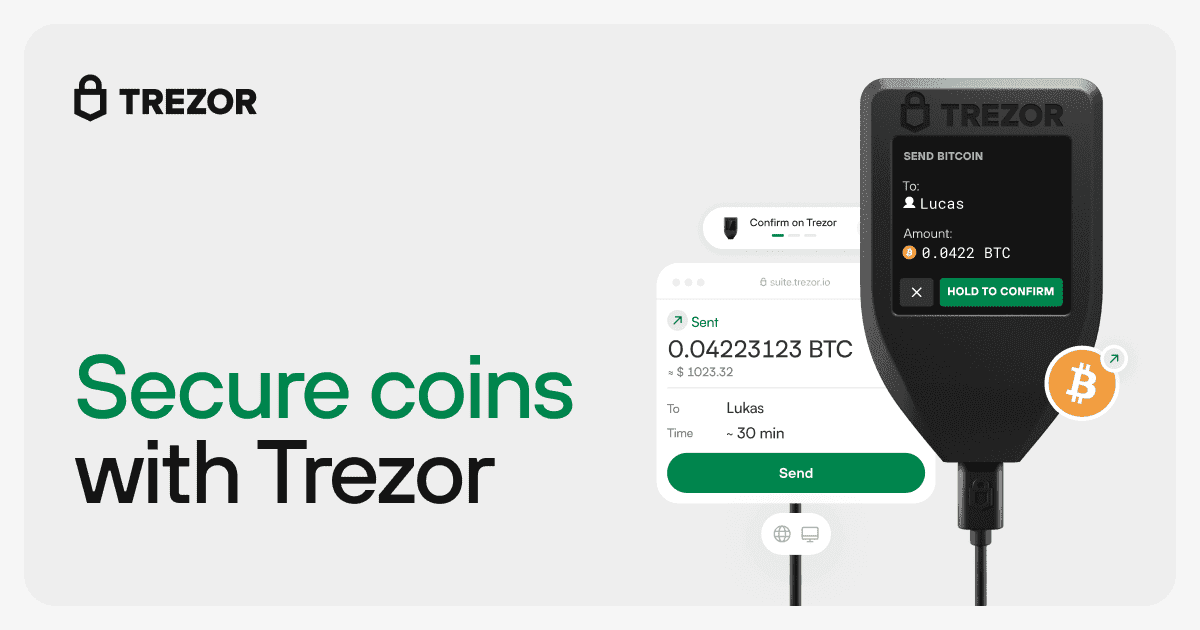
Trezor Login: The Complete Guide to Secure Access
In today’s rapidly evolving digital world, securing your cryptocurrency holdings is more critical than ever. One of the most trusted tools for achieving this is the Trezor hardware wallet, renowned for its robust security features and ease of use. Accessing your Trezor wallet efficiently and securely begins with understanding the Trezor login process. This guide offers a comprehensive overview of how to log in to your Trezor wallet, troubleshoot common issues, and optimize your experience while keeping your crypto assets safe.
What is Trezor?
Before diving into the login process, it’s important to understand what Trezor is and why it’s widely used in the cryptocurrency community. Developed by SatoshiLabs in 2014, Trezor is a hardware wallet that provides offline storage for cryptocurrencies, keeping them safe from online hacks and malware attacks. Unlike software wallets, which store private keys on a computer or mobile device, Trezor keeps these keys offline, offering unparalleled security.
Trezor wallets are designed to support a wide range of cryptocurrencies, including Bitcoin (BTC), Ethereum (ETH), Litecoin (LTC), and many more. The wallet also integrates with multiple third-party apps and exchanges, allowing users to manage and trade their assets securely.
Types of Trezor Devices
Trezor offers two primary hardware wallet models:
Trezor One:
The original model, known for its simplicity and reliability. It features a small screen and two physical buttons for navigation. The Trezor One supports most major cryptocurrencies.Trezor Model T:
A premium model with a full-color touchscreen, faster processing, and expanded cryptocurrency support. It also offers additional security features such as a password manager and Shamir Backup.
Both models require a secure login process to access funds, and understanding this process is key to maintaining the safety of your digital assets.
Understanding Trezor Login
Trezor login refers to the process of accessing your wallet to view, send, or manage your cryptocurrencies. Unlike traditional online logins, Trezor login requires physical interaction with the device and proper authentication. Here’s why it is secure:
Physical Device Verification:
The wallet must be physically connected to a computer or smartphone. This ensures that no remote hacker can log in without the actual device.PIN Protection:
Trezor devices are protected by a PIN code. Without this code, accessing the wallet is impossible.Passphrase Option:
For enhanced security, users can enable a passphrase. Even if someone has your device and PIN, they cannot access your funds without the passphrase.Recovery Seed:
Every Trezor wallet generates a 12, 18, or 24-word recovery seed during setup. This seed is essential for login if the device is lost or reset.
How to Set Up Your Trezor Wallet
Before logging in for the first time, you must set up your Trezor wallet. Follow these steps:
Step 1: Unbox and Connect
Remove the Trezor from its packaging.
Connect it to your computer or smartphone via USB.
Ensure you are using the official Trezor website (trezor.io/start) for the setup.
Step 2: Install Trezor Suite
Trezor Suite is the official desktop application for managing your wallet.
Download the application from the official website.
Install it and launch the software to begin the setup process.
Step 3: Initialize Device
Select “Create New Wallet” if you are setting up a new wallet.
Trezor will generate a recovery seed, which you must write down and store securely offline.
Step 4: Set PIN
Choose a PIN code on the Trezor device.
The PIN is required for every login attempt and enhances security.
Step 5: Optional Passphrase
You can enable a passphrase for additional protection.
Remember: Losing your passphrase makes funds unrecoverable, even with the recovery seed.
Once setup is complete, your device is ready for login.
Step-by-Step Trezor Login Process
Logging in to Trezor is straightforward but requires attention to detail for security purposes.
Step 1: Connect Your Device
Connect your Trezor device to your computer or smartphone using a USB cable.
Open Trezor Suite or access the web interface at trezor.io/start.
Step 2: Enter PIN
Trezor will display a randomized number grid on the device screen.
Input your PIN by clicking the corresponding numbers on your computer or smartphone screen.
This protects against keyloggers and unauthorized access.
Step 3: Enter Passphrase (if enabled)
If you have set a passphrase, enter it at the prompt.
Ensure you type it carefully; passphrases are case-sensitive.
Step 4: Access Your Wallet
After successful PIN and passphrase entry, Trezor Suite will display your wallet dashboard.
You can now view balances, send and receive cryptocurrencies, and manage wallet settings.
Troubleshooting Trezor Login Issues
Even with a secure setup, users may occasionally encounter login issues. Here are common problems and solutions:
1. Device Not Recognized
Ensure the USB cable is properly connected.
Try a different USB port or cable.
Update your Trezor firmware and Trezor Suite software.
2. Forgotten PIN
After multiple incorrect attempts, Trezor will wipe itself for security.
Restore your wallet using the recovery seed.
3. Passphrase Issues
Ensure the passphrase is typed exactly as created.
Check for extra spaces, capitalization errors, or incorrect keyboard layout.
4. Browser or Software Errors
Use the latest version of Trezor Suite.
Clear browser cache if using the web interface.
Security Best Practices for Trezor Login
Trezor is inherently secure, but following best practices strengthens protection against cyber threats.
1. Always Use Official Sources
Only download Trezor Suite or firmware from the official website.
Avoid third-party apps claiming to support Trezor.
2. Protect Your Recovery Seed
Store your seed offline in a safe location.
Do not take pictures or store it digitally, as this can be hacked.
3. Enable Passphrase Protection
Consider using a passphrase for an added layer of security.
Treat your passphrase like a second password.
4. Avoid Public Networks
Login from a secure, private network to reduce exposure to malware and network attacks.
5. Regular Firmware Updates
Keep your Trezor device updated with the latest firmware.
Updates often include critical security patches.
Advanced Trezor Login Features
Trezor also offers advanced login and management options for experienced users:
Multiple Accounts:
Create multiple accounts within the wallet for better organization and privacy.Multi-Currency Support:
Log in to manage a wide variety of cryptocurrencies from a single device.Integration with DeFi Platforms:
Trezor login allows secure interaction with decentralized finance applications.Two-Factor Authentication (2FA):
Trezor can be used to enhance 2FA for various online accounts, adding extra security beyond crypto wallets.
Why Trezor Login is Safer than Software Wallet Logins
The main advantage of Trezor login over software wallets is offline key storage. In software wallets, private keys are often stored on internet-connected devices, making them vulnerable to malware and phishing attacks. Trezor’s offline approach ensures that even if a hacker gains access to your computer, your private keys remain safe on the device.
Moreover, the login process incorporates a physical confirmation step for all transactions. This means that even if someone has access to your computer, they cannot authorize a transaction without physically interacting with the device.
Common Myths About Trezor Login
Myth 1: Trezor Login is Complicated
Reality: The login process is designed for security but is user-friendly. After initial setup, logging in is straightforward.
Myth 2: Losing Your Device Means Losing Funds
Reality: Your recovery seed allows full restoration of funds on a new device.
Myth 3: Online Access is Unsafe
Reality: Trezor never exposes private keys online. All sensitive actions happen on the device itself.
Trezor Login for Mobile Devices
Trezor Suite also supports mobile devices, allowing secure management on-the-go.
Trezor Mobile App: Available for Android and iOS.
Bluetooth Connectivity: Currently, only supported via secure bridges; direct Bluetooth login is limited to certain models.
PIN and Passphrase Support: Same security measures as desktop login apply.
Mobile login ensures convenience without compromising safety.
Recovery Options and Emergency Access
If you encounter login issues or lose your device:
Recovery Seed: Use your 12/18/24-word recovery seed to restore wallet on a new Trezor.
Passphrase: Ensure you have the correct passphrase if it was enabled.
Trezor Support: Contact official Trezor support for guidance in emergencies, but never share your seed or passphrase.
Conclusion
The Trezor login process is more than just accessing your cryptocurrency wallet; it is a robust security protocol designed to protect your digital assets. From PIN protection and passphrases to recovery seeds and advanced features, every aspect of the login process emphasizes security without sacrificing usability. By understanding the setup, login steps, troubleshooting methods, and best practices outlined in this guide, users can confidently and securely manage their crypto assets.
Whether you are a beginner or an advanced user, following these guidelines ensures your Trezor login remains smooth, secure, and reliable. Protecting your cryptocurrencies starts with a secure login, and with Trezor, you can achieve peace of mind knowing your digital wealth is safeguarded.
This content covers the Trezor login process comprehensively, including setup, security, troubleshooting, advanced features, and best practices