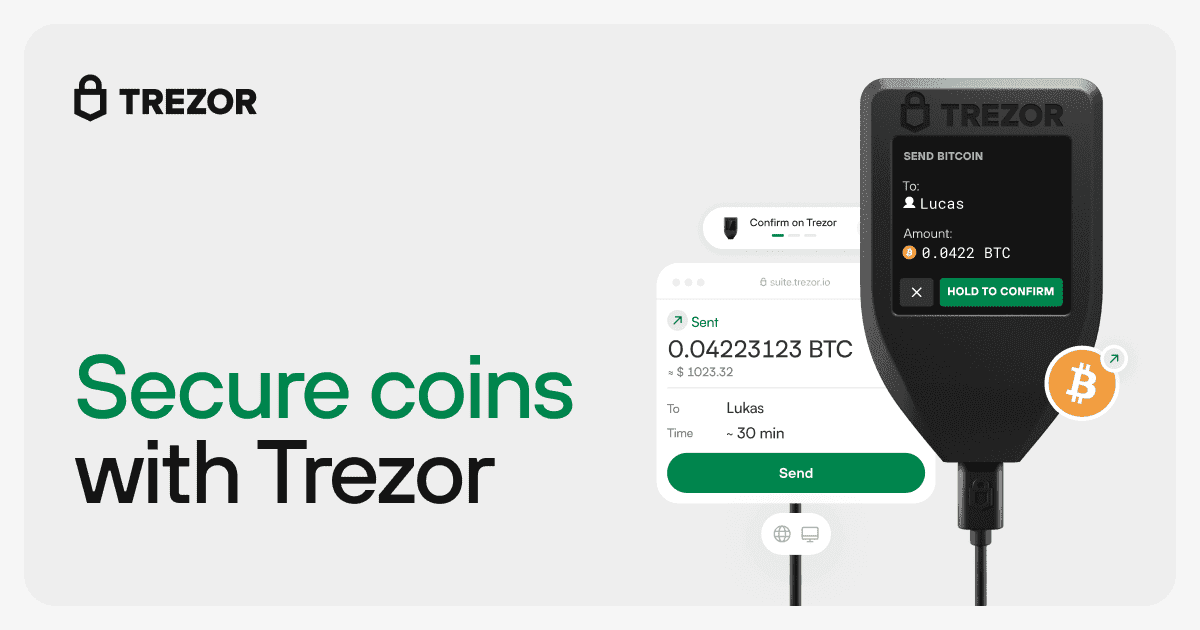
Trezor Login: A Complete Guide
In the world of cryptocurrencies, security is paramount. Unlike traditional banking systems where institutions safeguard your assets, cryptocurrency ownership relies heavily on the individual. Hardware wallets, like Trezor, provide one of the most secure ways to store your digital assets. Trezor is a renowned hardware wallet that ensures your private keys never leave the device, keeping your funds safe from hacks and malware. One of the essential steps in using a Trezor wallet is the Trezor login, which allows users to access their wallets securely through the Trezor device or Trezor Suite. This guide will explore the Trezor login process in detail, covering setup, login methods, troubleshooting, and best practices for security.
What is Trezor?
Trezor, created by SatoshiLabs, is a hardware wallet that provides secure storage for cryptocurrencies. Unlike software wallets or exchanges, Trezor ensures that your private keys are stored offline, making it almost impossible for hackers to access your funds remotely. Trezor supports a wide range of cryptocurrencies, including Bitcoin, Ethereum, Litecoin, and many more.
The two most popular Trezor devices are:
Trezor One – The first generation Trezor device, known for its simplicity and affordability.
Trezor Model T – The latest device with a touchscreen, enhanced security features, and support for more coins.
Both devices require the Trezor login process to access the wallet’s interface, usually through Trezor Suite, the official application provided by Trezor.
Understanding Trezor Login
The term “Trezor login” typically refers to the process of accessing your wallet to manage cryptocurrencies. Since Trezor is a hardware wallet, the login process involves two layers of authentication:
Physical Access – You must physically connect your Trezor device to your computer or smartphone.
PIN or Passphrase – You must enter a PIN or optional passphrase to unlock your device.
This two-layer security ensures that even if someone steals your Trezor device, they cannot access your funds without the correct PIN or passphrase.
Preparing for Trezor Login
Before logging in, you need to ensure the following:
Trezor Device – Make sure you have a Trezor One or Model T device.
Computer or Smartphone – Trezor Suite is compatible with Windows, macOS, Linux, and most modern browsers. Some mobile apps are also supported.
Trezor Suite Installed – Trezor Suite is the official software used for managing Trezor wallets. It is available for free from the official website trezor.io.
Backup Recovery Seed – During initial setup, Trezor provides a 12–24 word recovery seed. Keep this in a secure place, as it is crucial for wallet recovery.
Secure USB Connection – Use a trusted USB cable to connect your Trezor device. Avoid public computers to prevent malware attacks.
Step-by-Step Trezor Login Guide
Step 1: Connect Your Device
Plug your Trezor device into your computer or smartphone using a USB cable.
Ensure the device is powered on. The screen will display the Trezor logo.
Open Trezor Suite on your device or access the web interface at suite.trezor.io.
Step 2: Unlock the Device
If you have set a PIN during setup, the device will prompt you to enter it.
Use the on-screen interface or physical buttons to input your PIN. Trezor displays randomized numbers to prevent PIN theft from keyloggers.
If you use a Passphrase, you will be prompted to enter it after the PIN. This is optional but highly recommended for enhanced security.
Note: The passphrase acts as a 25th word in your recovery seed, providing an extra layer of encryption. Losing the passphrase means you cannot access the wallet, even with the recovery seed.
Step 3: Accessing Your Wallet
Once the PIN and passphrase are correctly entered:
Trezor Suite will authenticate your device.
You will see your wallet dashboard, displaying supported cryptocurrencies, balances, and recent transactions.
You can now perform operations such as sending, receiving, or exchanging crypto securely.
Logging in Using Trezor Model T
Trezor Model T has a touchscreen interface, making login easier:
Connect the device to Trezor Suite.
On the touchscreen, enter your PIN by tapping numbers in the randomized grid.
Input your passphrase using the virtual keyboard, if set.
Access your wallet dashboard and manage cryptocurrencies.
The Model T also supports Shamir Backup for recovery, which can further enhance security during login and wallet recovery.
Trezor Login on Mobile
Trezor Suite supports Android and iOS devices:
Install Trezor Suite from the official Trezor website.
Connect your Trezor device via USB OTG (for Android) or a compatible connection for iOS.
Unlock the device using your PIN and passphrase.
Access your wallet dashboard on the mobile interface.
Mobile login provides the same security features as desktop login, making it convenient for managing funds on the go.
Security Best Practices for Trezor Login
Always Verify Trezor Website or App – Only use the official website or Trezor Suite to avoid phishing attacks.
Never Share PIN or Passphrase – Trezor employees or support will never ask for your PIN or passphrase.
Keep Recovery Seed Offline – Store your recovery seed physically, not digitally.
Enable Passphrase Protection – Even if your device is stolen, a passphrase ensures your funds remain secure.
Use Trusted Devices Only – Avoid public or compromised computers to prevent malware from capturing sensitive information.
Regular Firmware Updates – Keep your Trezor firmware updated to the latest version for improved security.
Troubleshooting Trezor Login Issues
Even with a robust system like Trezor, users may face login problems. Here are common issues and solutions:
1. Device Not Recognized
Ensure the USB cable is functional and supports data transfer.
Try a different USB port or cable.
Restart your computer and reconnect the device.
Ensure Trezor Suite is updated to the latest version.
2. Forgotten PIN
Trezor allows wallet recovery using your recovery seed.
Reset the device to factory settings and restore using the recovery seed.
Note that a wrong PIN multiple times will wipe the device, so recovery seed backup is crucial.
3. Passphrase Issues
Remember the exact passphrase used during setup.
Passphrases are case-sensitive; ensure correct capitalization.
If lost, only the recovery seed can restore wallet access, but funds with the passphrase are inaccessible.
4. Trezor Suite Not Loading
Clear browser cache if using web interface.
Reinstall Trezor Suite if necessary.
Check internet connection, as Trezor Suite requires connectivity for balance updates and transaction processing.
Trezor Login Alternatives
Besides Trezor Suite, there are other login interfaces:
Web Wallets – Trezor can integrate with third-party wallets like MyEtherWallet or Electrum.
Mobile Apps – Some wallets allow Trezor integration via mobile apps for convenience.
Exchange Integration – Certain crypto exchanges support hardware wallet integration for trading while keeping keys offline.
Regardless of the interface, the core login process remains the same: device authentication + PIN + optional passphrase.
Why Trezor Login is Secure
Trezor login provides multiple security layers:
Hardware Authentication – Private keys never leave the device.
PIN Protection – Prevents unauthorized access even if the device is stolen.
Passphrase Option – Adds an extra layer of encryption.
Encrypted Communication – All communication between Trezor and Suite is encrypted.
Tamper-Evident Design – Physical device tampering is noticeable, preventing undetected hacks.
These features make Trezor one of the most secure ways to store cryptocurrencies.
Advanced Tips for Experienced Users
Hidden Wallets – Using a passphrase, you can create hidden wallets that are invisible without the correct passphrase.
Shamir Backup (Model T) – Allows splitting recovery seed into multiple shares for secure storage.
Firmware Verification – Always verify firmware updates through Trezor Suite to prevent malicious software.
Offline Transaction Signing – Trezor allows offline signing of transactions for extra security.
Trezor Login FAQs
Q1. Can I log in to multiple devices with the same Trezor?
Yes, your Trezor device can be used on multiple computers or mobile devices. Simply install Trezor Suite or compatible wallets and authenticate with your device.
Q2. What happens if I forget my PIN?
You must reset your Trezor device and restore your wallet using the recovery seed. The PIN itself cannot be recovered.
Q3. Is Trezor login online or offline?
The login process is local on the device. However, Trezor Suite requires internet access for balance updates and transaction broadcasting.
Q4. Can someone access my wallet if they steal my Trezor device?
No, without your PIN and passphrase (if enabled), your funds remain secure.
Q5. How often should I update Trezor Suite?
Always keep the Suite updated to ensure compatibility with your device and latest security features.
Conclusion
Trezor login is a critical step in managing cryptocurrency securely. By combining physical device authentication, a PIN, and an optional passphrase, Trezor ensures your digital assets remain protected from unauthorized access. Whether you use Trezor Suite on a desktop or mobile device, the login process is simple yet highly secure. Following best practices, such as safeguarding your recovery seed, enabling passphrase protection, and keeping your device updated, can provide peace of mind in the rapidly evolving cryptocurrency landscape.
Whether you are a beginner or an experienced crypto user, understanding the Trezor login process is essential to ensuring that your funds remain safe while maintaining convenient access for transactions. Investing a little time in learning and securing your login procedures today can prevent potential losses tomorrow.