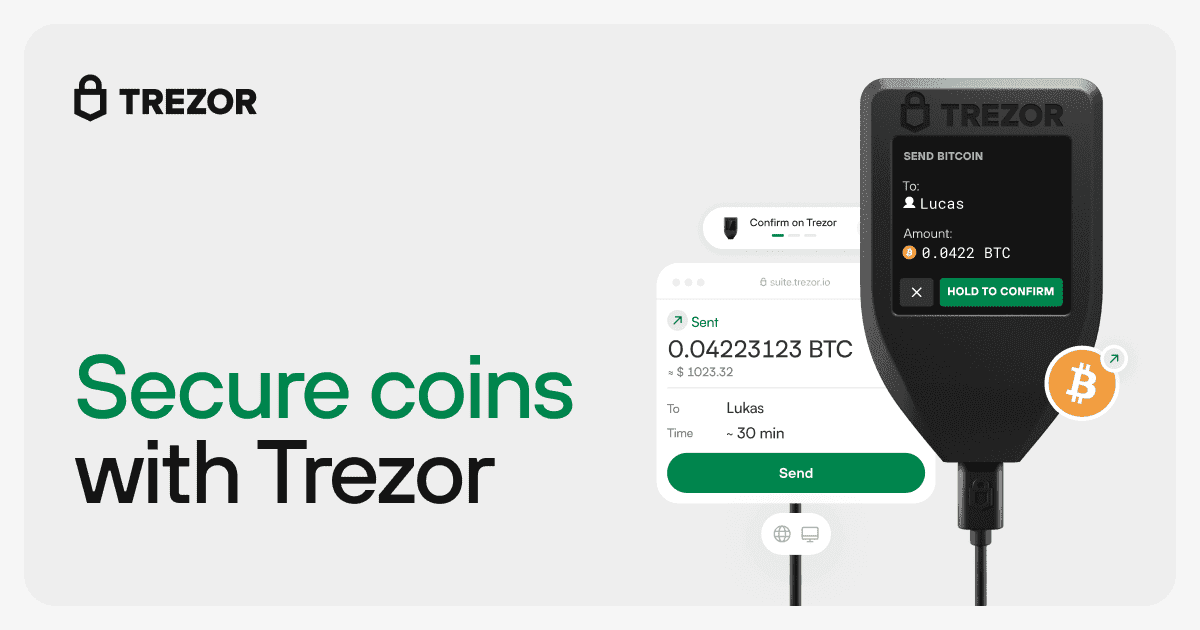
Trezor Login: The Ultimate Guide
Cryptocurrencies have grown exponentially in popularity over the past decade. With their rise, the need for secure storage solutions has become paramount. One of the most trusted names in cryptocurrency hardware wallets is Trezor. Known for its robust security features and user-friendly design, Trezor offers a safe way to store and manage digital assets. A fundamental part of using a Trezor wallet is the Trezor Login process. This guide will provide an in-depth look at Trezor login, covering everything from setting up your device to troubleshooting common issues.
What is Trezor?
Before diving into the login process, it’s essential to understand what Trezor is. Trezor is a hardware wallet developed by SatoshiLabs. Unlike software wallets, which are vulnerable to malware and hacking, a hardware wallet stores your cryptocurrency private keys offline. This offline storage ensures that your funds are safe from online threats.
Trezor supports a wide range of cryptocurrencies, including Bitcoin, Ethereum, and many altcoins. It provides a secure environment for transactions, password management, and even crypto staking.
Understanding Trezor Login
Trezor Login refers to the process of accessing your Trezor wallet, either via the Trezor Suite application or web interfaces like Trezor.io/start. This login process is designed to be secure, ensuring that only the rightful owner of the device can access the wallet and the associated cryptocurrencies.
Trezor login is different from typical online account logins. Since Trezor is a hardware wallet, the login requires:
Physical access to the Trezor device.
PIN code or passphrase entry.
Interaction with Trezor Suite or a compatible interface.
This combination ensures that even if someone gains access to your computer, they cannot access your funds without the physical device and correct credentials.
Steps to Log in to Trezor
1. Connect Your Trezor Device
Start by connecting your Trezor hardware wallet to your computer using the USB cable provided with the device. Trezor devices are compatible with most operating systems, including Windows, macOS, and Linux.
Once connected, you may see a notification on your computer prompting you to open Trezor Suite or access Trezor via a web browser.
2. Open Trezor Suite
Trezor Suite is the official desktop and mobile application for managing Trezor wallets. You can download Trezor Suite from trezor.io/start. The application is available for Windows, macOS, Linux, and even as a mobile app for Android and iOS.
After opening Trezor Suite, you will be prompted to either:
Create a new wallet (for first-time users), or
Access an existing wallet (for returning users).
3. Enter Your PIN
Your Trezor device will prompt you to enter a PIN code. The PIN is a set of numbers you create during the initial setup of your Trezor wallet. This PIN ensures that unauthorized users cannot access your wallet, even if they have your device.
The Trezor PIN interface uses a randomized number grid displayed on the device itself, which prevents keyloggers or screen capture malware from recording your PIN. To log in:
View the randomized number positions on the Trezor device.
Enter the corresponding numbers on your computer or mobile screen.
Confirm the entry on the device.
If the PIN is correct, the device will authenticate and allow access to the wallet.
4. Enter Your Passphrase (Optional)
Trezor offers an optional passphrase feature for added security. Think of it as a “25th word” added to your recovery seed. While the PIN protects your device, the passphrase secures your funds further. Only users who know both the recovery seed and the passphrase can access wallets with passphrases enabled.
If you have enabled a passphrase:
Enter it on Trezor Suite.
Confirm the passphrase entry.
Your wallet will now load with all associated accounts and balances.
If you did not set a passphrase, this step is skipped.
5. Access Your Wallet
Once authentication is complete, Trezor Suite will display your wallet dashboard. Here, you can:
View cryptocurrency balances.
Send and receive coins.
Manage multiple accounts.
Access transaction history.
At this point, you are fully logged in to your Trezor wallet.
Logging in Without Trezor Suite
While Trezor Suite is the recommended method, you can also access your wallet using third-party wallets compatible with Trezor devices, such as:
Electrum
Exodus
MyCrypto
The login process remains similar: connect your device, enter your PIN, and optionally your passphrase.
Security Features of Trezor Login
Trezor’s login process is designed with multiple layers of security:
PIN Protection: Ensures unauthorized users cannot access the device.
Passphrase Encryption: Adds a second layer of protection beyond the recovery seed.
Offline Private Key Storage: Your private keys never leave the device.
Randomized Keypad: Prevents PIN theft via malware.
Firmware Verification: Trezor checks firmware authenticity before allowing login.
Recovery Seed Backup: Allows access even if the device is lost, as long as the recovery seed is safe.
By combining these features, Trezor significantly reduces the risk of unauthorized access.
Common Trezor Login Issues
Even with a secure system, users sometimes face login difficulties. Here are common issues and solutions:
1. Forgotten PIN
If you forget your PIN, Trezor provides a recovery method:
Use your recovery seed to restore your wallet on the same or a new Trezor device.
Resetting the device is required to enter a new PIN.
Important: The recovery seed is critical. Without it, funds are unrecoverable.
2. Passphrase Issues
If you forget your passphrase:
Funds stored under that passphrase become inaccessible.
The standard recovery seed does not work without the passphrase.
Always store passphrases securely, preferably offline.
3. Device Not Recognized
Sometimes Trezor devices are not recognized by the computer. Possible causes include:
Faulty USB cable.
Outdated Trezor Suite.
Incompatible operating system drivers.
Solution: Ensure the USB cable is connected securely, update Trezor Suite, and check for system updates.
4. Browser Issues
When using Trezor via a web interface:
Some browsers may block the device connection.
Chrome, Edge, or Brave browsers are recommended.
Check browser permissions for USB devices if connection issues persist.
Tips for a Smooth Trezor Login Experience
Always use the official Trezor Suite or website. Avoid third-party sites that claim to offer wallet access.
Keep firmware updated. Trezor releases regular updates to enhance security and performance.
Use a strong PIN and passphrase. Avoid simple sequences like “1234” or birthdates.
Securely store your recovery seed. Never save it digitally or share it online.
Enable passphrase only if comfortable. While optional, it adds a strong layer of protection.
Avoid public computers. Always log in from a trusted device to minimize hacking risks.
Trezor Login on Mobile Devices
Trezor Suite is available for mobile platforms, allowing you to log in on the go. The process mirrors the desktop login:
Connect Trezor via USB-C (for Trezor Model T) or via OTG adapter (for older models).
Open Trezor Suite mobile app.
Enter your PIN and optional passphrase.
Access your wallet dashboard.
Mobile login provides convenience without compromising security.
Advanced Login Options
Trezor also supports advanced features like:
Hidden Wallets: Using passphrases to create multiple wallets under a single device.
Multiple Accounts: Managing separate accounts for different cryptocurrencies.
Integration with Web3: Connecting to decentralized applications (dApps) securely.
These options require proper login credentials and can only be accessed once the device is authenticated.
Recovery and Backup During Login
The Trezor login process is tightly linked to wallet recovery. Always ensure your recovery seed is safely stored offline. If your device is lost, damaged, or stolen:
Obtain a new Trezor device.
Select “Recover Wallet” during setup.
Enter your recovery seed.
Optionally, enter your passphrase to access hidden wallets.
After recovery, you can set a new PIN and continue normal usage.
Trezor Login Best Practices
To maximize security and efficiency during login:
Regularly Update Firmware: Prevents vulnerabilities.
Keep Recovery Seed Offline: Use a fireproof, waterproof storage method if possible.
Use Unique Passphrases: Avoid predictable phrases.
Log Out After Use: Disconnect your device after transactions.
Monitor Account Activity: Check for unauthorized access attempts.
Conclusion
The Trezor login process is a critical step in securing and managing your cryptocurrency holdings. By combining physical device authentication, PIN codes, optional passphrases, and recovery seed protection, Trezor ensures that your digital assets remain safe. Whether you are a beginner setting up your first wallet or an advanced user managing multiple accounts, understanding the Trezor login process is essential. With the correct practices and attention to security, logging into your Trezor wallet becomes a seamless and safe experience, giving you peace of mind in the dynamic world of cryptocurrencies.
Trezor has set the standard for hardware wallet security, and mastering its login process is the first step toward fully harnessing the benefits of secure, decentralized finance.