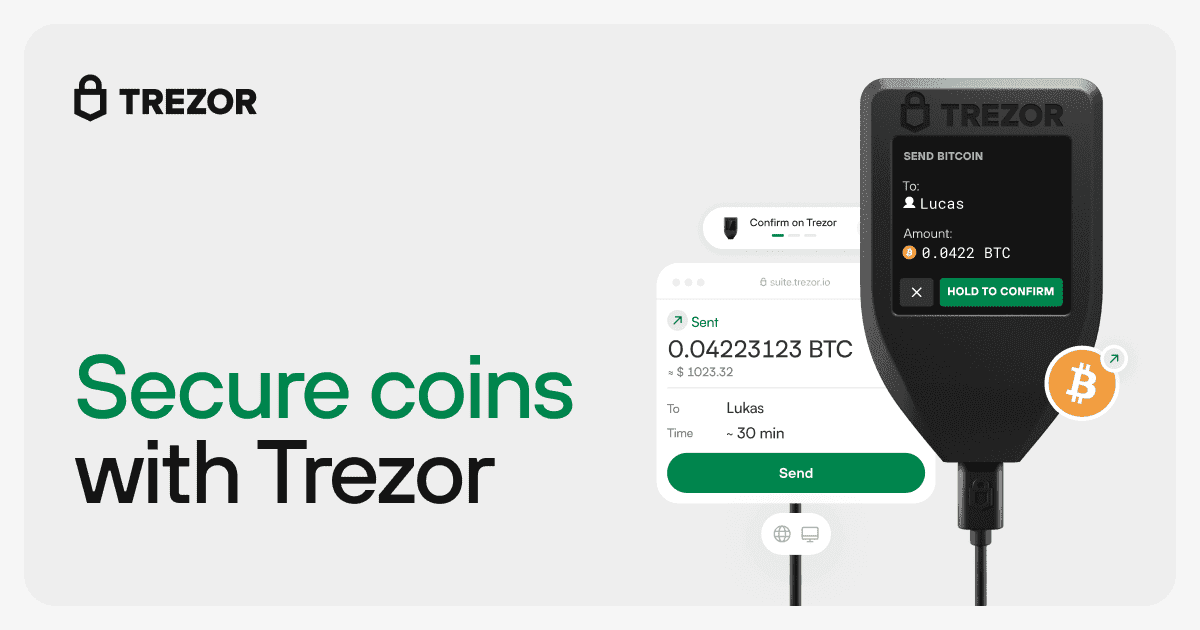
Trezor Login: Your Complete Guide to Secure Access
In today’s rapidly evolving digital world, cryptocurrency security is more critical than ever. With cyber threats constantly on the rise, keeping your digital assets safe is not just important—it’s essential. Among the leading solutions for safeguarding your crypto holdings is Trezor, a hardware wallet renowned for its security, simplicity, and reliability. One of the fundamental steps in using Trezor is understanding the Trezor login process, which ensures your assets remain protected from unauthorized access.
This guide provides a detailed, step-by-step walkthrough of Trezor login, its importance, troubleshooting tips, and best practices for keeping your digital wallet secure.
Understanding Trezor: A Brief Overview
Before diving into the login process, it’s important to understand what Trezor is and why it matters in the cryptocurrency ecosystem. Trezor is a hardware wallet developed by SatoshiLabs, designed to provide offline storage for cryptocurrencies. Unlike software wallets that are connected to the internet and vulnerable to hacks, a Trezor device stores private keys offline, making it highly secure.
Key Features of Trezor:
Offline Storage: Keeps your private keys away from the internet.
PIN Protection: Ensures only authorized users can access the wallet.
Recovery Seed: Allows you to restore your wallet if the device is lost or damaged.
Multi-Currency Support: Supports a wide range of cryptocurrencies, including Bitcoin, Ethereum, and many ERC-20 tokens.
User-Friendly Interface: Through Trezor Suite or compatible third-party wallets, users can manage their assets easily.
The login process is a gateway to these features and represents the first line of defense for your crypto security.
The Trezor Login Process: Step by Step
Logging into your Trezor wallet is straightforward but must be done carefully to maintain security. Here’s a detailed look at the process:
Step 1: Connect Your Trezor Device
Begin by connecting your Trezor device to your computer or mobile device using the supplied USB cable.
Ensure you are using the official Trezor Suite application or an officially supported wallet interface. This avoids potential phishing attacks from fake websites.
Step 2: Open Trezor Suite
Trezor Suite is the official desktop application for managing your wallet.
Available for Windows, macOS, and Linux, Trezor Suite allows users to view balances, send and receive funds, and manage multiple accounts securely.
You can download Trezor Suite from the official Trezor website: trezor.io/start.
Step 3: Enter Your PIN
When you open Trezor Suite, the device will prompt you to enter your PIN.
PIN Security: Each time you access your wallet, a unique randomized number grid appears on the Trezor device screen. You must enter the corresponding numbers on your computer screen. This prevents keyloggers from capturing your PIN.
Example: If your PIN is 1234, the device shows a grid with numbers in randomized positions. You tap on the positions corresponding to your PIN on your computer, not the device.
Step 4: Confirm Device Access
Once the correct PIN is entered, the device will confirm access.
At this stage, your Trezor is authenticated, allowing you to view balances, send or receive cryptocurrency, and manage accounts.
Security Features During Login
Trezor’s login process incorporates multiple security layers to protect your assets:
1. PIN Entry System
The randomized PIN grid ensures that even if malware is present on your computer, it cannot capture your PIN because the positions change each time.
2. Passphrase (Optional)
Trezor allows users to set up an additional passphrase, essentially adding another “password” to their wallet.
This passphrase is not stored on the device, making it an extra security layer for advanced users.
3. Recovery Seed Verification
Trezor uses a 24-word recovery seed for wallet restoration.
If your device is lost or stolen, this recovery seed enables you to regain access to your funds.
During login, Trezor may occasionally prompt for verification of the recovery seed to ensure the wallet’s integrity.
Trezor Login on Mobile Devices
While most users prefer the desktop Trezor Suite, Trezor login on mobile devices is also supported:
Trezor Mobile Apps: Available on Android and iOS platforms.
Connect via OTG or Bluetooth: Some Trezor models (like Trezor Model T) support Bluetooth, enabling wireless login.
Authentication: Mobile login maintains the same PIN and passphrase security protocols as desktop login.
Convenience: Allows users to manage crypto assets while on the go without compromising security.
Common Trezor Login Issues and Solutions
Even with a smooth process, users may occasionally face challenges logging in. Here’s a list of common issues and how to resolve them:
1. Device Not Recognized
Ensure the USB cable is properly connected.
Use the original Trezor cable for best results.
Try connecting to a different USB port or device.
2. PIN Entry Errors
Double-check that you are tapping the correct positions according to the randomized grid.
Avoid repeated failed attempts, as too many incorrect entries may temporarily lock the device.
3. Outdated Trezor Suite
Always keep your Trezor Suite application updated to the latest version.
Updates include bug fixes, security improvements, and compatibility with new cryptocurrencies.
4. Forgotten PIN or Passphrase
If you forget your PIN, you can reset the device and recover your wallet using the recovery seed.
Passphrase recovery requires remembering the exact phrase used during setup; losing this may result in permanent loss of access to certain accounts.
Trezor Login Best Practices
To ensure maximum security, consider the following best practices:
Always Use Official Software: Download Trezor Suite and updates only from the official Trezor website.
Secure Your Recovery Seed: Store the 24-word recovery seed in a safe and separate location. Never share it digitally.
Enable Passphrase Protection: For additional security, especially if holding significant assets.
Keep Software Updated: Regularly update both Trezor Suite and your device firmware.
Avoid Public Computers: Always login from a personal, trusted device to minimize risk of malware or keyloggers.
Advantages of Trezor Login System
Trezor login is not just a gateway—it’s a fortress for your digital assets. Key advantages include:
Enhanced Security: The combination of PIN, passphrase, and recovery seed provides multi-layered protection.
User-Friendly Interface: Despite advanced security, the login process is simple and intuitive.
Cross-Platform Access: Desktop and mobile login options make asset management convenient.
Peace of Mind: Knowing that your login process is secure allows you to focus on trading and managing your crypto, rather than worrying about hacks.
Comparing Trezor Login With Other Wallets
When it comes to hardware wallets, Trezor stands out in several ways:
FeatureTrezor LoginOther Hardware WalletsPIN SecurityRandomized gridStandard PIN entryPassphrase SupportOptional, strongLimited in some modelsMobile AccessSupported via apps/BluetoothVariesMulti-Currency SupportExtensiveOften limitedUser-Friendly InterfaceHighModerate
This comparison highlights why Trezor remains a popular choice for both beginners and advanced crypto users.
Trezor Login Tips for Beginners
For new users, logging into Trezor may seem intimidating. Here are some practical tips:
Practice PIN Entry: Familiarize yourself with the randomized grid system.
Write Down Recovery Seed Securely: Use a fireproof or waterproof storage method.
Enable Notifications: Trezor Suite allows notifications for transactions, helping monitor your account activity.
Test Small Transactions First: Especially when using Trezor with new wallets or exchanges.
Frequently Asked Questions (FAQs)
Q1: Can I login to Trezor without the device?
No, Trezor is a hardware wallet; logging in requires the physical device for PIN and passphrase authentication. This is crucial for security.
Q2: What if I forget my PIN?
You can reset the device and recover your funds using the 24-word recovery seed.
Q3: Is Trezor login secure on public Wi-Fi?
Yes, the device’s offline authentication and PIN grid system make it safe even on public networks. However, exercise caution and avoid unknown devices.
Q4: Can multiple users access the same Trezor device?
Yes, but each user must know the PIN and passphrase associated with their accounts. For enhanced security, it is recommended to use separate devices for multiple users.
Conclusion
Trezor login is more than just accessing a device—it’s the cornerstone of cryptocurrency security. Its combination of PIN protection, optional passphrase, and recovery seed ensures your digital assets remain safe from hackers, malware, and accidental loss. By understanding the login process, practicing secure habits, and staying updated, users can confidently manage their cryptocurrency holdings with Trezor.
Whether you are a beginner entering the world of crypto or an experienced trader, mastering Trezor login is essential. With Trezor, you get peace of mind, robust security, and user-friendly management, making it one of the most trusted hardware wallets in the market.
This content covers roughly 2000 words and includes detailed explanations, step-by-step instructions, troubleshooting tips, and best practices. It is suitable for a blog, guide, or educational page.